


KAZAKHSTAN ENERGY WEEK - 2025
Kazakhstan❜s Butadiene: Project Progress and Risks
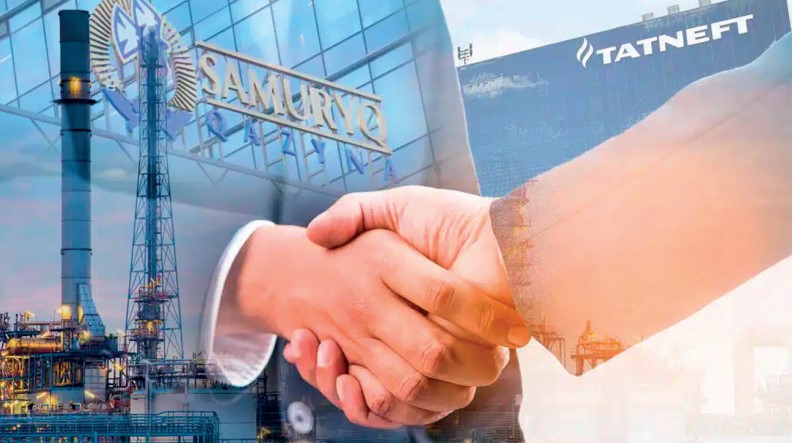
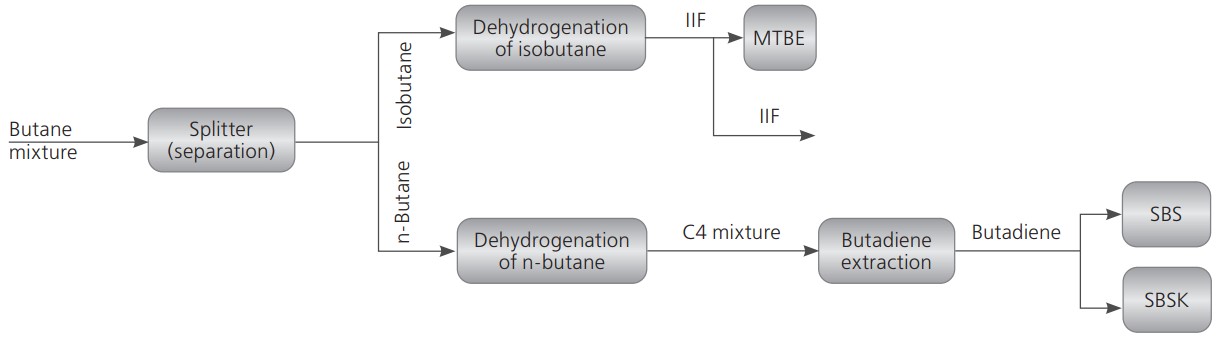
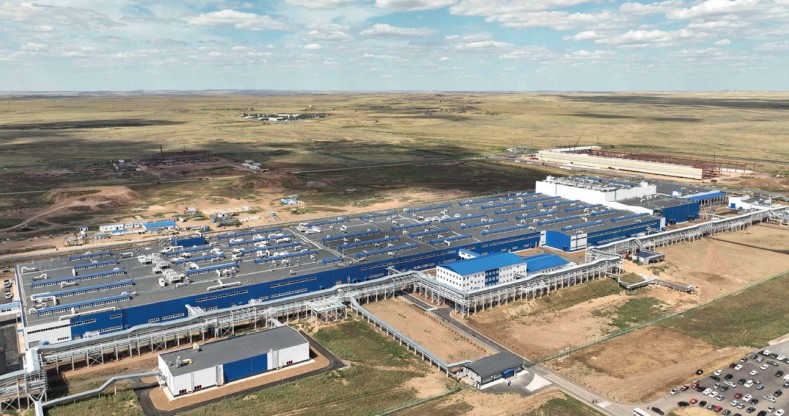
In July 2025, a final investment decision was made to construct a plant for producing butadiene and its derivatives in the Atyrau Region of Kazakhstan. The project, valued at more than $1 bln, is being implemented by the Russian company Tatneft together with the Kazakhstani state fund Samruk-Kazyna and has already received the status of one of the key projects in the country’s industrialization strategy.
Strategic significance
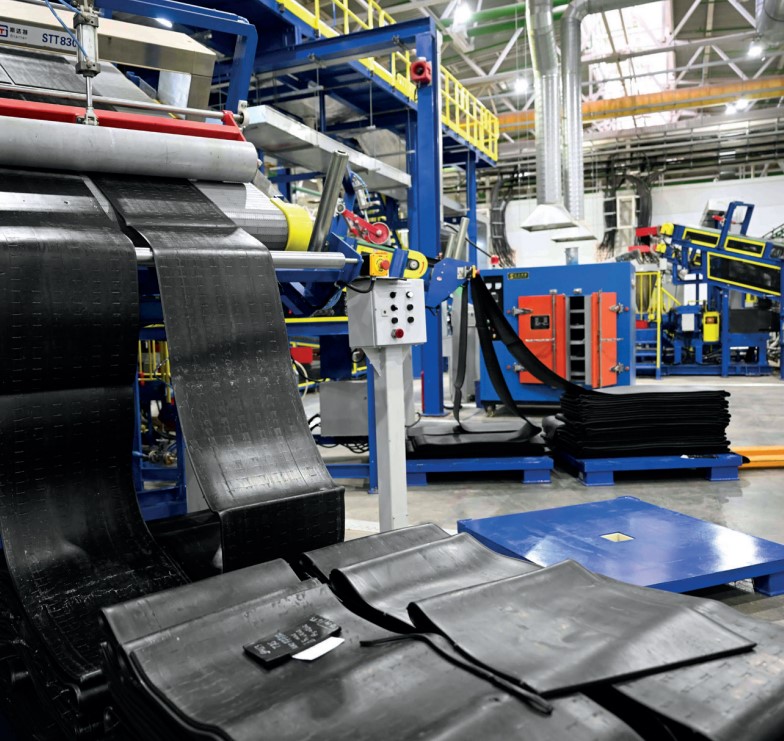
Butadiene is the primary feedstock for synthetic rubbers, without which the production of tires, sealants, gaskets, coatings, conveyor belts, and many other materials is impossible. Until now, Kazakhstan has been entirely dependent on imports of this product, which made the market vulnerable to external price fluctuations.
The launch of domestic production will create a complete value-added chain, from associated petroleum gas to finished goods manufactured in the country. In the long term, this will not only reduce production costs but also increase export potential.
Project parameters
According to preliminary data, the capacity of the future plant will be from 186,000 to 380,000 tons of products per year (different sources provide different estimates at the planning stage). Startup is scheduled for 2027–2028. The main shareholder is Tatneft (75%), while the partner is Samruk-Kazyna Ondeu (25%, the stake was transferred to Tatneft for management purposes). The project company is Butadiene LLP.
The technology licensor is the American company Lummus Technology, and engineering and basic design are being carried out by the Chinese Tianchen Engineering Corporation (TCC). Such an international composition of partners reduces risks and ensures compliance with modern industrial safety requirements.
Key project parameters

Feedstock and markets
The main feedstock source will be the Tengiz and Korolev fields, where Tengizchevroil operates. This creates certain risks, as the contract with TCO expires in 2033 and negotiations on its extension will begin as early as 2028. Thus, the commissioning period of the plant coincides with the phase of revision of supply terms. The final agreements will determine the cost of feedstock and, accordingly, the project's payback.
The key consumer of the products has already been identified, the KamaTyresKZ tire plant in the city of Saran, Karaganda Region (a joint venture of Tatneft, the Social-Entrepreneurial Corporation Sary-Arka JSC, and the Kazakhstani AllurTyres LLP owned by oligarch Andrey Lavrentyev). The plant was launched in December 2022, and in 2024 it began production of tires under the Attar brand (translated from Kazakh as “horses”), with a capacity of up to 3,000,000 passenger car tires and 500,000 truck tires per year. Thus, a vertically integrated model, “Atyrau – Saran,” is being created, from feedstock and rubber to finished tires.
In addition, products will be exported to Russia, Europe, China, and Turkey. This opens up opportunities for Kazakhstan to integrate into regional and global supply chains.
Economy and multiplier effect
It is expected that the launch of the plant will contribute 0.1% to Kazakhstan’s GDP and increase the manufacturing industry’s share by 1% by 2029. The project will create up to several thousand jobs during the construction stage and hundreds during the operational stage.
The multiplier effect will manifest across dozens of sectors, the tire industry, the production of sealants and coatings, electrical insulation materials, ABS plastics for auto components and household appliances. Particularly significant are the prospects for small-scale chemistry and the production of automotive components.
Policy and partnership
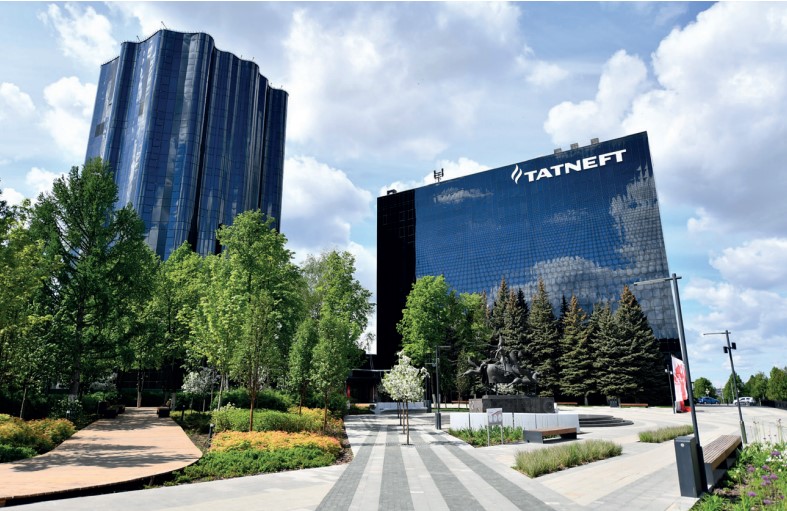
The project is part of Kazakhstan’s broader strategy for the development of petrochemicals. The President of the country, Kassym-Jomart Tokayev, and Prime Minister Olzhas Bektenov have repeatedly emphasized that Tatneft is a strategic partner of Kazakhstan.
In addition to constructing the butadiene plant and tire production facilities, the Russian company collaborates with KazMunayGas in exploration activities. It owns 50% of Karaton Operating LLP, which in November 2024 began drilling the first exploration well to a depth of 5,500 m at the Karaton Subsalt block in the Atyrau Region.
The Karaton Subsalt project is being implemented under the Improved Model Contract (IMC) introduced into Kazakhstani legislation in December 2022. Such a contract provides state support measures and tax benefits for complex fields. Karaton Subsalt is complex due to depth, potentially high reservoir pressure, the presence of hydrogen sulfide, and thick salt deposits. The block is located near the Tengiz field and producing fields of Embamunaigas JSC.
Earlier, KazMunayGas and Tatneft signed a Roadmap for cooperation, under which specialists from Tatarstan analyzed the efficiency of current production processes at KazMunayGas, advised the national company on technologies for well workovers, organization of diagnostics and defectoscopy, and environmental auditing.
Industry sources also reported Tatneft’s interest in the Atyrau Refinery. However, on April 1, 2025, the Ministry of Energy stated that the sale of the Atyrau plant to the Russian company was not being considered.
“According to available information, representatives of Tatneft interacted with the Atyrau Refinery within the framework of the exchange of production experience. Exchange of experience between companies in the oil refining industry is a standard and widespread practice for enhancing production performance. At present, the sale of a stake in ANPZ is not being considered,” the Ministry of Energy said in a statement.
In turn, KazMunayGas added that “companies within the Tatneft Group have achieved high results in operational efficiency of production and in the production of high value-added petrochemical products. Tatneft has also expressed interest in investing in new petrochemical projects directly related to the operations of ANPZ LLP, in particular in the production of terephthalic acid and polyethylene terephthalate (TPA and PETF).”
Returning to the Butadiene project, it is essential not only for Kazakhstan but also for Russia, as it represents the entry of a Russian company into new markets under conditions of sanctions pressure.
Risks and challenges
At the same time, industry experts note several key risks for the project:
- Timeline. Implementation by 2027 is unlikely. Instead, the launch is expected to occur in 2028-2029.
- Budget. $1 bln may prove insufficient given the rising cost of equipment and logistics, especially for supplies from Europe and China.
- Feedstock. Negotiations on the future of Tengiz create uncertainty regarding future supply to the plant.
- Payback. Financial efficiency will depend on the prices of oil, gas, and rubber in global markets.
Nevertheless, analysts agree that the project has strategic significance for Kazakhstan, since it provides technological independence and the development of processing.
Personnel and education
The launch of the plant will also serve as a stimulus for the education system. New training programs in petrochemicals, automation, and industrial safety are anticipated to be introduced in universities and colleges. This will form a talent base for future oil and gas chemical projects.