



KAZAKHSTAN ENERGY WEEK - 2025
Hydrogen in the Spotlight
Today, Kazakhstan’s energy balance is almost entirely based on fossil fuels, with coal accounting for 48% of consumption, gas for 26%, and oil for 23.5%. The share of renewables in the energy mix does not exceed 2%. At the same time, the country has set a course for carbon neutrality by 2060 and must adapt to global climate and trade shifts, including the EU’s cross-border carbon regulation.
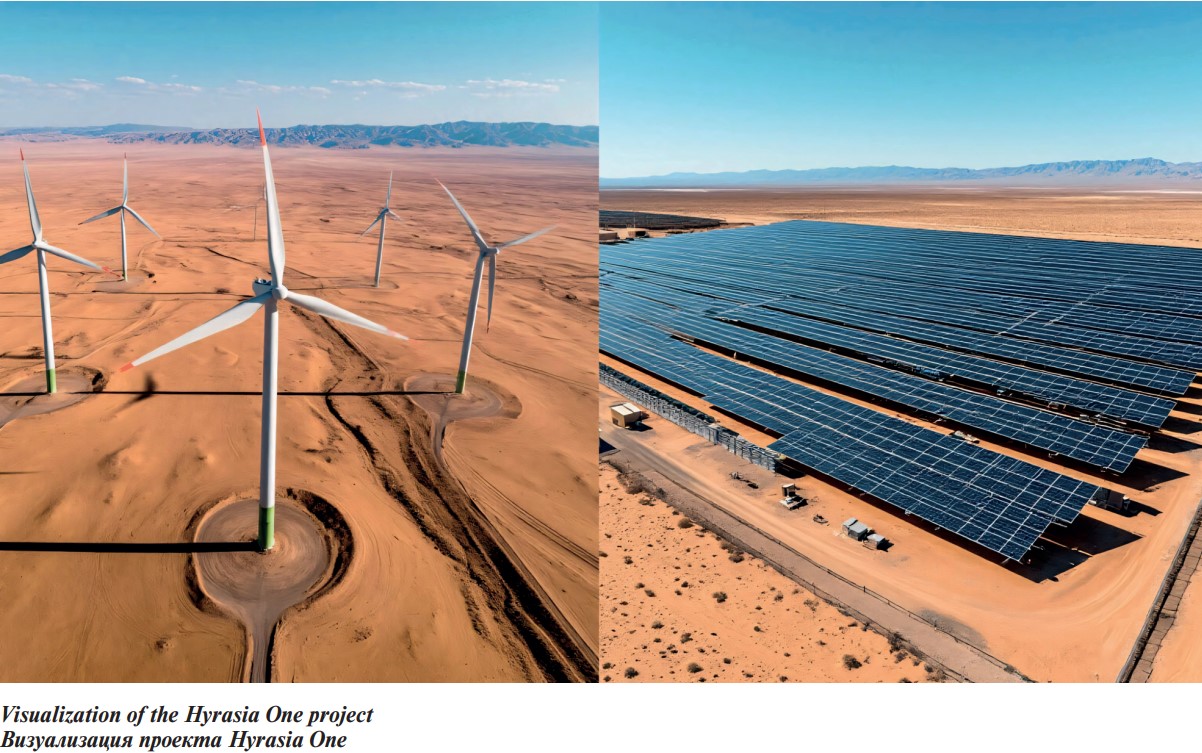
Hydrogen in this context is viewed as a universal energy carrier: it can be used in industry, transport, public utilities, and as a method of storing energy generated from RES. According to expert estimates, global demand for hydrogen is expected to increase almost fivefold by 2050, and the hydrogen technology market is projected to reach $200 bln by that time. Kazakhstan aims to secure a niche in this promising segment, leveraging its substantial solar and wind energy potential, as well as the capacities of its oil and gas infrastructure.
The Hydrogen Future
At the beginning of the year, the government approved the Hydrogen Energy Development Concept through 2040, designating it as one of the key tools for transitioning to a low-carbon economy. The document outlines a strategic vision for the sector, including target indicators and a concrete action plan aimed at establishing the country as a regional hub for the production and export of clean hydrogen.
According to this development program, by 2040, Kazakhstan plans to:
- commission 10 GW of electrolyzers for green hydrogen production
- build 10 GW of new RES capacities to support this goal
- attract up to 5 trillion tenge in sectoral investment
- ensure up to 20 percent participation of domestic technologies in projects
- create conditions for both export and domestic application of hydrogen
The core principles of the strategy include sustainability, integration with RES, infrastructure development (refuelling stations, test sites, clusters), stimulation of innovation, and international cooperation.
An integral part of the strategy is a step-by-step action plan, structured by key focus areas:
- Regulation and institutional framework. A dedicated hydrogen unit and an interagency working group are being established to develop legislative amendments and relevant state support programs.
- Pilot projects. Between 2026 and 2033, pilot zones for carbon-free hydrogen production are planned. These include the use of hydrogen at combined heat and power plants, the deployment of hydrogen-powered buses and trains, hydrogen fueling stations, and applications in the mining and agricultural sectors.
- Science and technology. Until 2030, research will focus on storage, transportation, blending with natural gas, and applications in metallurgy and critical infrastructure.
- Human capital and education. In 2025, the adaptation of university curricula will begin, along with internships at international competence centers and the development of new professional standards.
- International cooperation. By 2030, the country aims to establish its reputation as a supplier of clean hydrogen and promote national technologies in global markets.
The document also outlines the risks associated with Kazakhstan’s future in hydrogen energy. These include the high energy intensity of hydrogen production, the need for sustainable water use (producing 1 kilogram of hydrogen requires up to 20 litres of water, which is considerable for the water-scarce western regions of the country), and challenges in transportation and storage due to the explosive nature of the gas. Addressing these issues will require both scientific research and international technology exchange.
The goal remains significant. The development of hydrogen energy will enable Kazakhstan to fulfill its climate commitments while diversifying exports and reducing reliance on hydrocarbons. Investment inflows and the creation of new clusters will generate additional jobs and strengthen the expertise of the national science and industry.