


Petrochemicals and Oil Refining
First Results of the Refining Modernisation Program: So Far, More Words Than Deeds
#3 (159), June 2026 special issue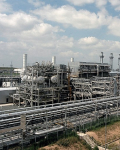
For Kazakhstan’s oil refining industry, last year was the moment when years of talk about the need for modernization finally took concrete form in decisions and documents. The Concept for the Development of the Oil Refining Industry of the Republic of Kazakhstan for 2025-2040, approved by the government, set an ambitious trajectory: from expanding capacity and increasing refining depth to developing petrochemicals and training personnel.
War in the Middle East and the Fuel Market of Kazakhstan and Central Asia
#3 (159), June 2026 special issue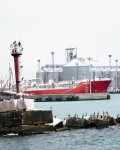
Global energy is entering a period in which geopolitical events are once again the key drivers of prices, logistics, and strategic decisions. The escalation in the Middle East at the start of 2026, from attacks on oil and gas infrastructure to the unclear situation surrounding the partial or possibly complete closure of the Strait of Hormuz, has become one of the most serious challenges to the global supply system in the past decade.
The Petromidia Refinery and the KMGI Group: Modernisation and Growth in a Volatile Market
#3 (159), June 2026 special issue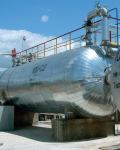
Against a backdrop of volatile oil markets, shifting price conditions, and rising demands for refining efficiency, the Petromidia refinery in Romania and its owner, the KMG International (KMGI) Group, stand as an example of adaptation and strategic development in Europe's highly competitive downstream market.
How a By-Product is Becoming a Strategic Raw Material
#3 (159), June 2026 special issue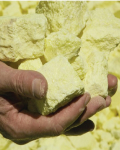
Just twenty years ago, sulphur in Kazakhstan was seen as a burden. At Tengiz, it was stored in the open air, for which Tengizchevroil regularly incurred fines, even as it argued to the state authorities (ultimately with considerable success) that the material was not "environmentally harmful waste" but a commodity. Today, the situation has changed beyond recognition.